


Aspens
One of Colorado’s most stunning features are Aspen trees. When they bud to beautiful green in the spring and then turn to brilliant gold in the fall their hues are part of what makes the Colorado landscape special.
So what happens to make the green turn to gold? The answer may surprise you! Aspens have their ability to turn in to Gold, Orange, Red and in Rare cases a bluish color. The green leaves of Aspens are full of chlorophyll (green pigment) during the year the year the aspen leaves go through photosynthesis. the process that coverts sunshine into food for the aspens. When temperatures start to cool the chlorophyll starts to break down and carotenoids and xanthophylls start to take over, these are what give the aspens their unique colors, of gold, orange or red. Environmental factors play the biggest part in what color the aspen leaves will turn making each fall season unique.
Have you ever noticed that even on a calm day, aspen leaves seem to shimmer and dance in the slightest breeze? That distinctive movement is what gives the Quaking Aspen (Populus tremuloides) its name.
The secret isn’t in the leaf itself. It’s in the stem that attaches the leaf to the branch, called the petiole. Unlike the round petioles found on many other trees, an aspen’s petiole is flattened from side to side. This unique shape allows the leaf to twist and flutter with even the gentlest breeze, creating the soft, shimmering effect that makes aspen groves so mesmerizing.
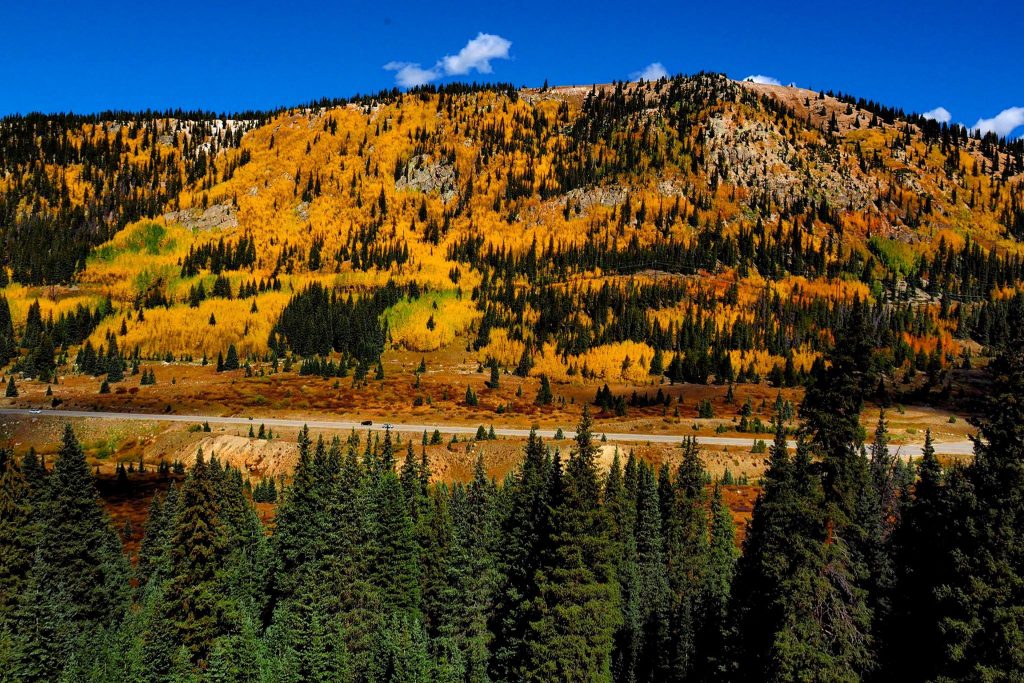
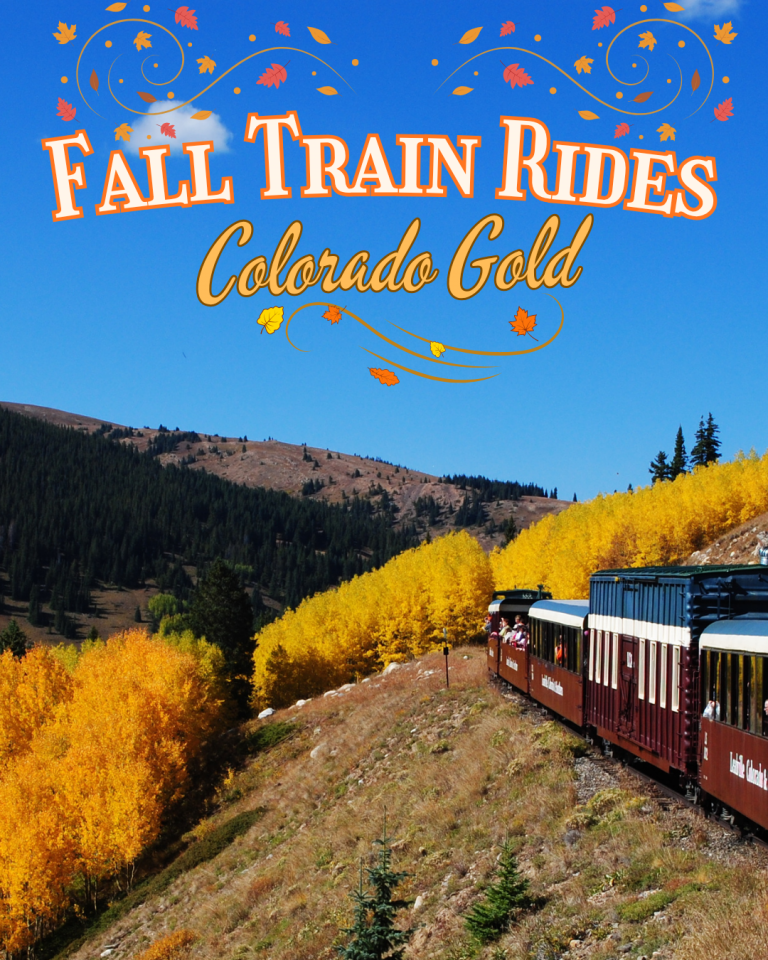
This view from the Leadville Railroad shows Aspens in various stages of transformation. Different groves will take on different shades depending on their unique DNA. You can see how the trees in the lower elevation are turning slower than the Aspens further up the mountain.
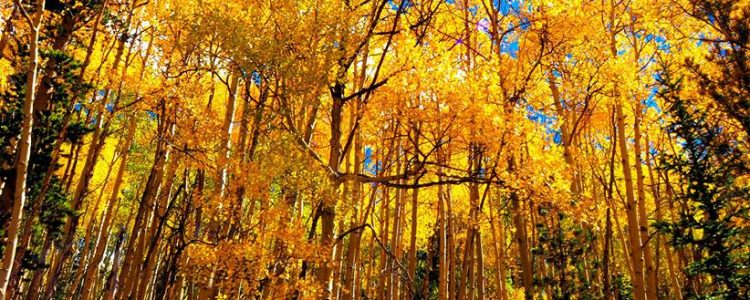
Fun Facts about Aspens
1. An aspen forest MIGHT only be ONE tree! Aspens grow in groves, meaning they are all interconnected underground. Each trunk is genetically identical to the others and is called a stem instead of being its own individual tree. Aspen groves can grow over dozens of acres.
2. The Largest living organism on earth is an Aspen grove. Located in Utah, Pando covers roughly 106 acres, contains more than 40,000 trunks, and shares a single root system.
3. Aspens will continue to make food even after the leaves have fallen. most deciduous trees stop producing food when their leaves fall off. Aspen bark is green underneath its white outer layer. That green layer contains chlorophyll, allowing the tree to continue photosynthesis even after its leaves have turned and fallen.
4. The white bark was used by indigenous populations as a sunscreen. If you run your hands on the bark of an aspen tree a white power will come off. This powered was used as a mild sunscreen by some indigenous populations.
5. Fires can make Aspen forest stronger. Wildfires are an unfortunate part of forest ecology. For the Aspen trees fires can present an opportunity for growth. The underground roots usually survive, so, once sunlight reaches the forest floor, thousands of new shoots can emerge from the existing root system. That’s one reason aspens are often among the first trees to return after a wildfire.
Why are Aspens important?
Aspens don’t just support forests—they create them.
Ecologists often refer to aspen stands as a keystone ecosystem because they support a remarkable diversity of plants and animals. Remove an aspen grove, and you don’t just lose beautiful trees, you lose an entire community of life.
Aspen forests support more species of plants, birds, mammals, and insects than many neighboring conifer forests. The unique structure of an aspen grove allows more sun to reach the forest floor. When this happens wildflowers, shrubs, ferns, mushrooms and some berry producing plants are able to grow. This attracts smaller wildlife such as birds, pikas and marmots.
Aspens feed other members of the animal kingdom as well. Elk enjoy eating the young shoots. Mule Deer feed on leaves and sprouts, and Moose enjoy leaves and branches throughout the summer.
Birds love aspen trees! Aspens provide easy nesting areas for several species of birds. Because older aspens can have a softer bark woodpeckers will often choose aspens for their homes. When the woodpeckers move out secondary nesters such as Bluebirds, Chickadees and tree swallows can move it.
Leadville's Aspen friendly environment
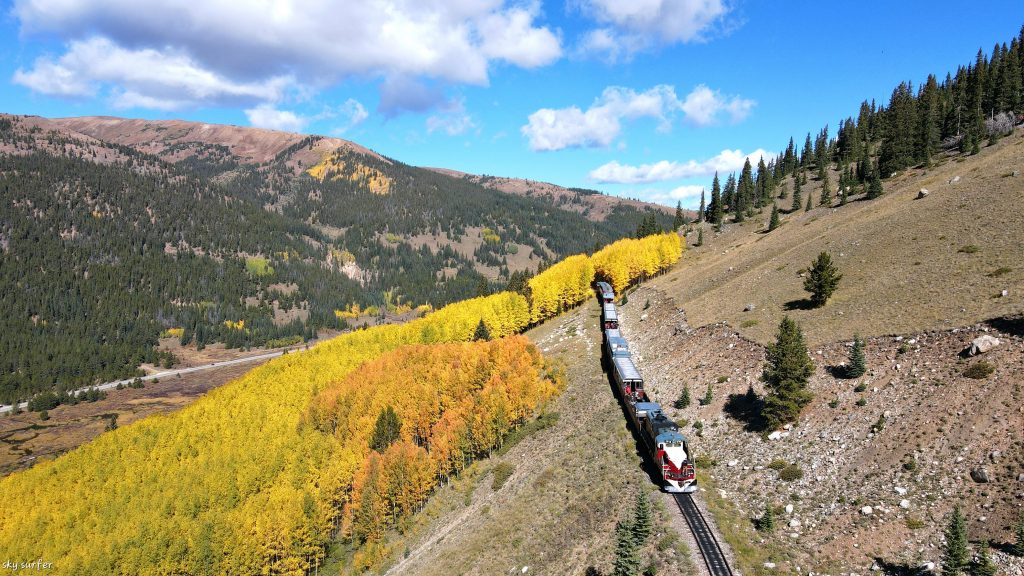
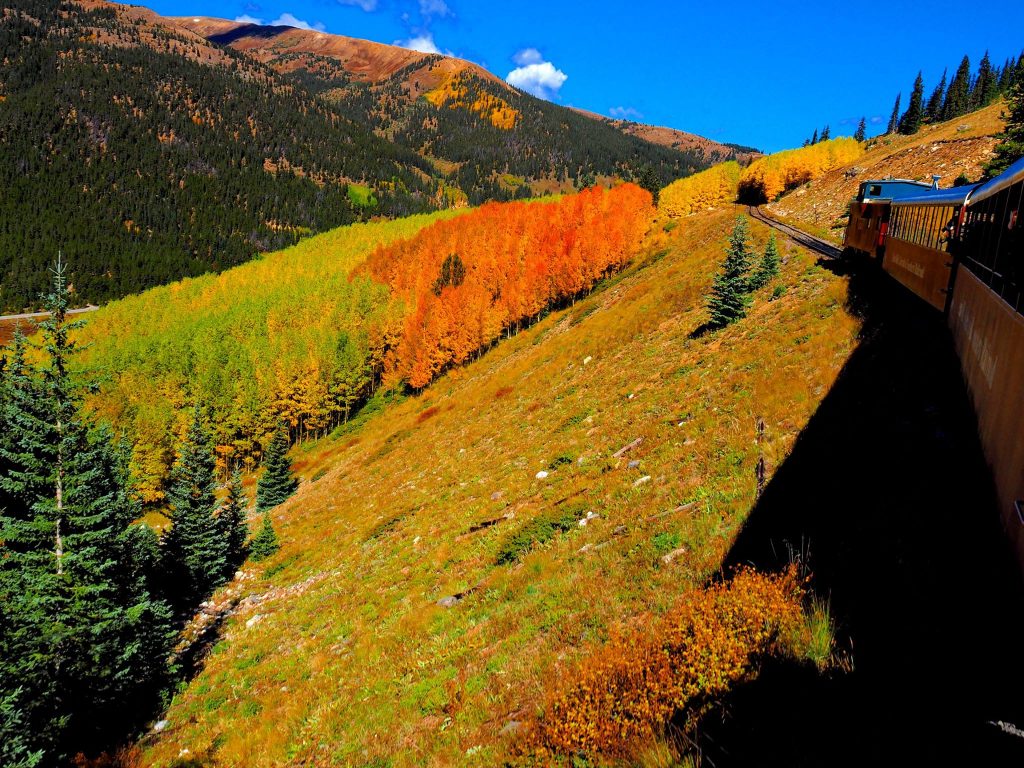
If you’ve ever ridden the Leadville Railroad in September, you’ve probably noticed something remarkable. The mountainsides shimmer with the golds, oranges and reds of fall. That isn’t an accident. Leadville sits in one of the most favorable environments in Colorado for quaking aspens.
Leadville boasts an impressive elevation of 10,152 ft. Aspens prefer to grown at elevations of between 8,000 ft and 11,000 ft. putting Leadville right in the middle. Many of Colorado’s healthiest aspens groves are found between 8,000 and 11,000 feet, where cool temperatures and reliable snowpack create ideal growing conditions. Too low, and the climate becomes warmer and drier. Too high, and conditions become too harsh for large forests.
Aspens don’t necessarily need huge amounts of rain to thrive. They need water stored in the soil during spring and early summer. Most years Leadville receives substantial winter snowfall. As that snow slowly melts, it recharges the shallow soils where aspen roots live. Because aspens rely on wide, shallow root systems rather than deep taproots like other trees, this gradual snowmelt provides the moisture they need at the start of the growing season.
Most people know Leadville for silver. Beneath the famous mining district lies a mix of glacial deposits, weathered granite, volcanic rocks, and sedimentary formations that have created a mosaic of well-drained mountain soils. Aspens thrive is soils that drain well, hold moisture, receive plenty of sunlight and are rich in organic matter. The unique geology of the Upper Arkansas River Valley provides these conditions.
Sources & Further Reading
The information in this article is based on research and educational resources from leading forestry and conservation organizations, including:
- USDA Forest Service – Research on the ecology, biology, and management of quaking aspens in the western United States.
- USDA Silvics of North America – Scientific reference on the growth, reproduction, habitat, and life history of Populus tremuloides (Quaking Aspen).
- Colorado State Forest Service – Information on Colorado’s aspen forests, elevation ranges, and forest ecology.
- National Park Service – Educational resources on aspen biology, fall color, and Rocky Mountain ecosystems.
- USDA Natural Resources Conservation Service (NRCS) – Plant guides and habitat information for quaking aspens and associated wildlife.
We encourage readers to explore these organizations for additional information about Colorado’s forests and the remarkable ecosystems that make the Rocky Mountains so unique.